

Jupiter makes its closest pass to Earth in 59 years tonight
It will be visible with binoculars!
You’ll have a unique chance to see Jupiter tonight, as the giant planet will make its closest pass by Earth in six decades since 1963. The orbits of Earth and Jupiter around the Sun are not circular, so each year they pass each other at different distances. Jupiter’s closest approach rarely coincides with planetary opposition, when their distance reaches 180 degrees. On Earth, opposition occurs when the astronomical object rises in the east as the Sun sets in the west.
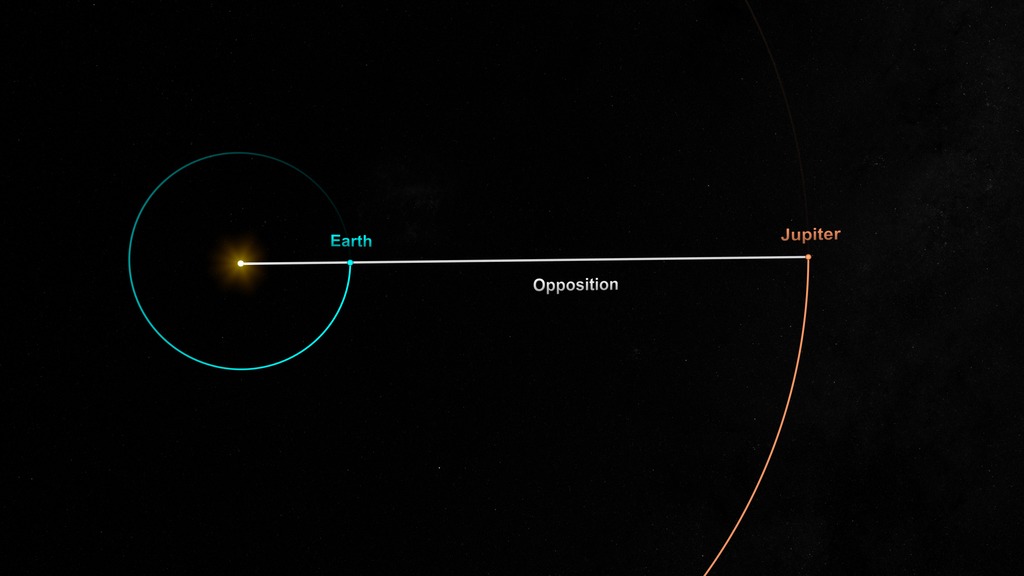
At its closest point, Jupiter will approach 590 million kilometers from Earth, while at its furthest point it passes 965 million kilometers.
With good binoculars, you should be able to see Jupiter and three or four of its moons. It is important to remember that Galileo observed these satellites with 17th century optics. You will definitely need a stable base for whatever system you use.
If you have a telescope, you will also be able to see the Great Red Spot, while filters in the green and blue wavelengths will improve the visibility of its features. The ideal location for observation is at high altitude, dry atmosphere and no light pollution.
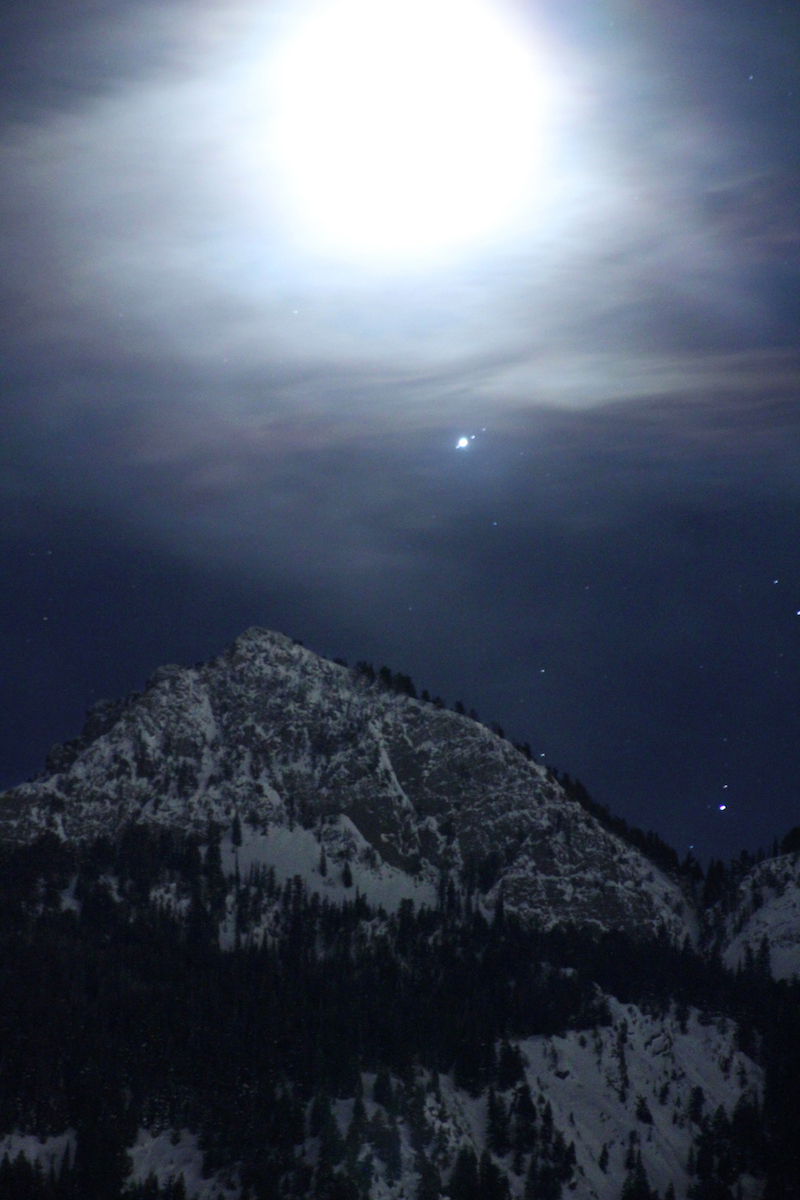
Jupiter has 53 known moons but astronomers believe that number is actually as high as 79. The next big step in Jupiter exploration after NASA’s Juno will be the Europa Clipper, which will explore one of the largest moons, Europa, which has an icy surface and a vast ocean beneath it. The Europa Clipper is scheduled for launch in October 2024.


